
Marriage as a Moral Partnership
The Tenant of Wildfell HallThe contrasts among Helen’s marriages, the Lowboroughs, and the Hattersleys test whether affection and duty can coexist without control or cruelty.
increasing Bearing strength in each event
 decreasing
Bearing strength in each eventdecreasingThe Household as a Moral Test
The Household as a Moral Test
Shared life, unequal power
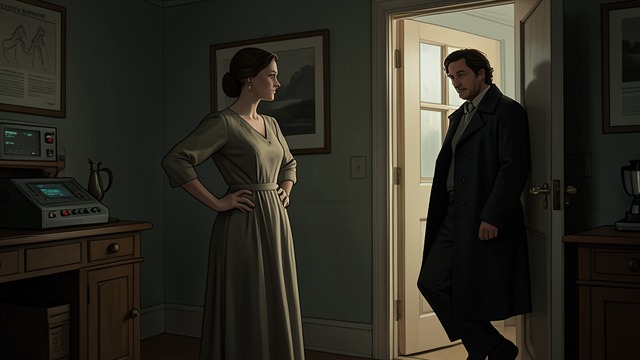
Helen expects marriage to include companionship, moral influence, and respect. Arthur Huntingdon instead treats his wife as a source of comfort whose needs should yield to his pleasures.
A failed partnership
Their household shows that the language of affection cannot hide unequal responsibility. Helen’s care becomes service without reciprocity, while Arthur resists the obligations of a husband and father.
Milicent’s Silence
Milicent’s Silence
Gentleness misread
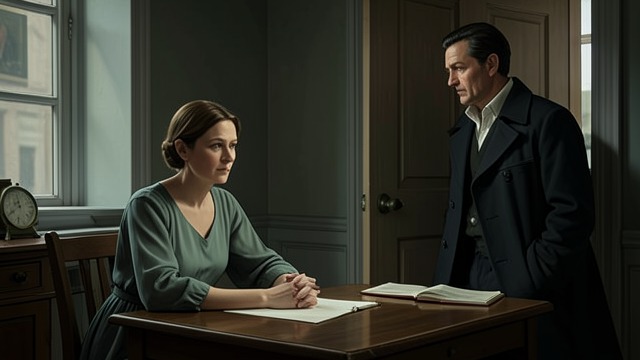
Milicent tries to accommodate Ralph and often hides the hurt his conduct causes. He interprets her calmness as evidence that she does not mind being neglected or mistreated.
Duty without voice
Her story questions a model of wifehood based on silent endurance. Helen’s intervention helps Ralph recognize that a quiet wife may suffer deeply even when she does not protest.
Annabella’s Manipulation
Annabella’s Manipulation
Affection as leverage
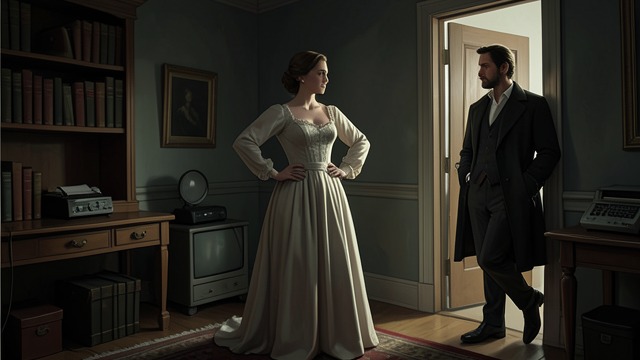
Annabella uses flattery and attention to maintain Lord Lowborough’s devotion while carrying on an affair with Arthur Huntingdon. Her conduct turns marriage into a contest for advantage.
Betrayal’s wider cost
The deception affects not only the spouses but Helen and the men’s friendship. The story treats marital fidelity as an ethical obligation, not a mere social convention.
A Change of Conduct
A Change of Conduct
Listening at last
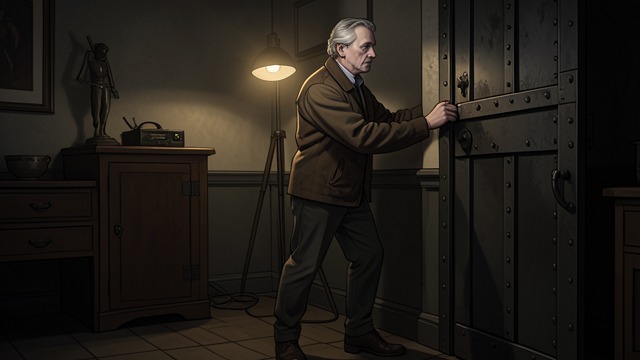
Ralph Hattersley reads Milicent’s private accounts of loneliness and fear and recognizes the consequences of his behaviour. For once, he does not excuse himself by blaming other men alone.
Partnership through action
His reform begins with changed conduct rather than a claim to forgiveness. Milicent’s hopes become more credible as Ralph acts with greater care and self-restraint.
Love Without Ownership
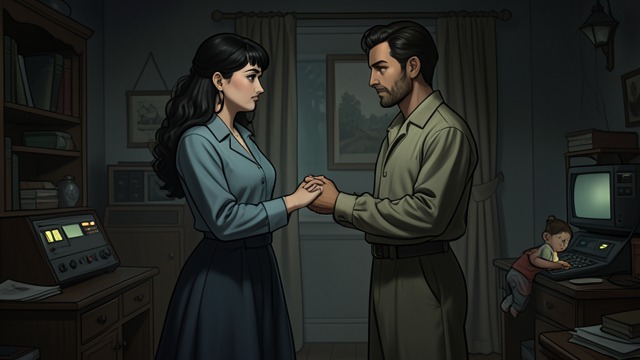
Love Without Ownership
Respect before possession
Gilbert’s eventual marriage to Helen follows a period in which he must accept her independence and her right to refuse him. Their relationship does not erase her earlier life or the costs of his mistakes.
A reciprocal future
They build a household through mutual affection and shared respect. This later partnership answers the novel’s earlier failures without suggesting that marriage automatically reforms either partner.
The first years at Grassdale
During her marriage to Ralph Hattersley
During her marriage to Lord Lowborough
After Helen shows Ralph his wife’s letters
Helen and Gilbert’s later marriage
